
Back to School Means Back to Strep: What Parents Should Watch For
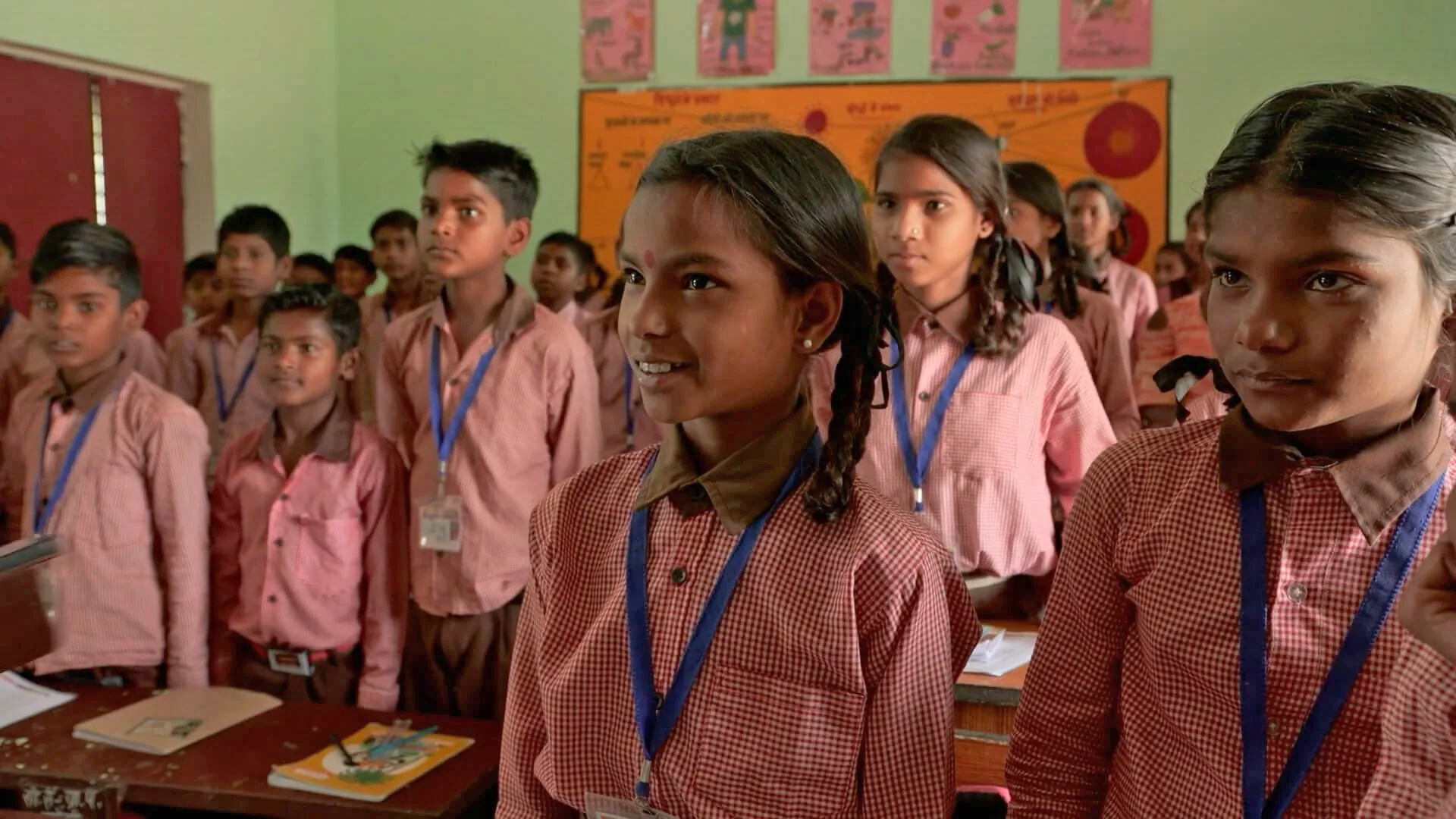
A new school year brings new teachers, new routines, new friends — and plenty of close contact between children.
It can also mean more opportunities for infections like strep throat to spread.
What Is Strep Throat?
Strep throat is a kind of sore throat. It is caused Group A Streptococcus — contagious bacteria that can cause several types of infection. The most common infection is strep throat. It spreads mostly through respiratory droplets (think coughs and sneezes) and direct contact with an infected person (think dirty hands and surfaces).
Schools, childcare centers and other places where children spend time together can create more opportunities for the bacteria to pass from one person to another.
That doesn't mean parents need to worry about every sore throat. Most sore throats are not strep. But knowing the signs of strep — and knowing when to seek medical care — can make an important difference.
Why Treating Strep Matters
Here’s why a sore throat should never be ignored.
The body can usually defend itself. Most sore throats, including strep, generally go away after a few days. But unlike other types of sore throats, sometimes strep seems like it has gone away, but the bacteria and the body’s response to it continue silently.
This can lead to serious problems. One of these is rheumatic fever (RF), a painful, inflammatory reaction that can develop weeks after a group A strep infection. Untreated RF can lead to even more damage, including heart damage. This is called Rheumatic Heart Disease (RHD), and it lasts the rest of a person’s life.
The World Health Organization emphasizes identification and appropriate treatment of group A strep infections as an important part of preventing rheumatic fever and rheumatic heart disease.
It is one reason something as common as a childhood sore throat deserves attention.
Why School-Age Children Are at Greater Risk
Strep throat can affect people of many ages, but it is especially common among children ages 5 to 15. And strep is contagious. Close contact with someone who has strep throat is a common way to get it. Crowded settings such as schools and childcare centers can make it easy for group A strep bacteria to spread.
The bacteria can travel in respiratory droplets when an infected person talks, coughs or sneezes. They can also spread through direct contact with saliva, nasal secretions or infected skin sores.
Because children spend hours learning, eating, and playing together, exposure can happen easily — sometimes before anyone realizes a child is sick.
Know the Signs of Strep Throat
A sore throat is one of the most recognizable signs of strep, but it isn't the only one.
Common symptoms of strep throat include:
A sore throat that begins suddenly
Pain when swallowing
Fever
Red or swollen tonsils, sometimes with white patches
Swollen lymph nodes in the front of the neck
Children may also experience headache, stomach pain, nausea or vomiting.
Here’s an important tip: cough, runny nose, hoarseness and conjunctivitis (pink eye), for example, are not typical symptoms of strep throat. So if a child shows these symptoms, it is likely a different kind of sore throat.
However, symptoms alone cannot always tell you whether an infection is caused by group A strep.
Don't Guess — Know When to Seek Care
It can be tempting to assume a sore throat is simply a cold, especially during a busy school year. But if your child develops symptoms that could be strep, contact a qualified healthcare provider for guidance.
They can test your child to determine if group A strep is the cause of the illness. Depending on local healthcare practices and resources, diagnosis may involve a rapid strep test, a throat culture or another approach recommended by a healthcare professional.
This testing matters because antibiotics treat bacterial strep infections. Antibiotics are not used to treat sore throats caused by viruses. It’s a very important difference. Antibiotics should only be used when necessary.
When strep throat is confirmed, appropriate antibiotic treatment can shorten illness, reduce transmission to others and decrease the risk of serious future problems.
Help Stop the Spread at School and at Home
A few everyday habits can help reduce the spread of group A strep and many other infections:
Encourage frequent handwashing with soap and water.
Teach children to cover coughs and sneezes.
Avoid sharing cups, utensils and food with someone who is sick.
Seek immediate medical care when strep is suspected.
If strep is diagnosed, follow the healthcare provider's treatment instructions and complete treatment as prescribed.
Children diagnosed with strep throat should also follow the advice of their healthcare provider and local school or public health authorities about when it is safe to return to school.
A New School Year Is a Good Time to Learn the Signs
Parents can't prevent every sore throat that comes home in a backpack. But we can become better at recognizing when a sore throat may be something more.
Learn the signs of strep. See appropriate testing and care. Follow through with treatment. These are simple actions that can protect your own children, and other families and communities around the world.
Recognize Strep. Treat Strep. Complete Treatment.
That is how we Stop The Strep.
