
Why Completing Strep Treatment Matters — Even When You Feel Better
Your sore throat is gone. The fever has disappeared. You feel like yourself again.
It can be tempting to think the strep infection is gone, too.
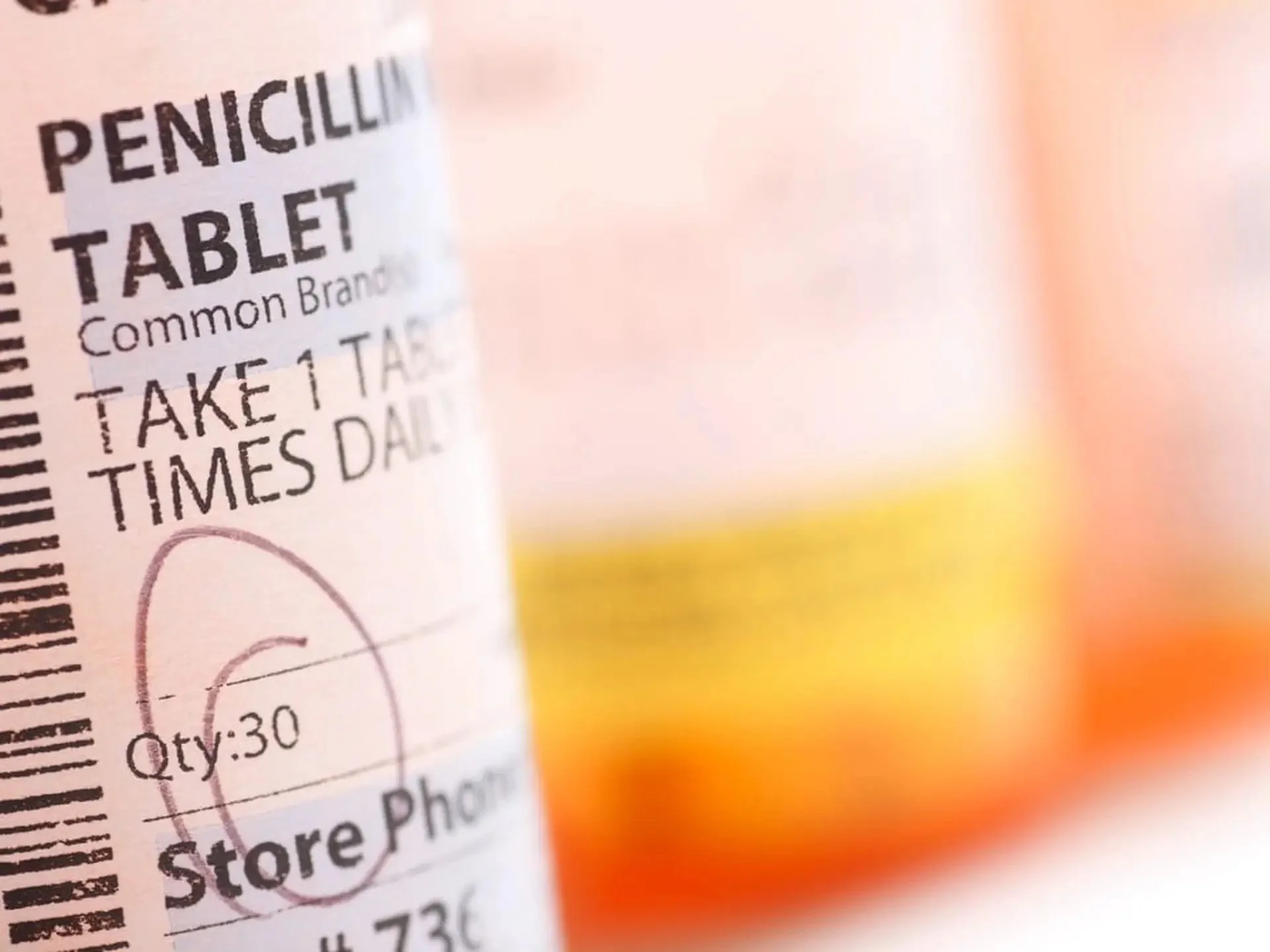
But feeling better doesn’t necessarily mean treatment is complete. If you’ve been prescribed antibiotics for strep throat, it’s important to take them exactly as directed by your healthcare provider — even when symptoms improve.
Here’s why completing treatment matters.
Feeling Better Is a Good Sign — But Keep Following Your Treatment Plan
Antibiotics often help people with strep throat begin feeling better fairly quickly. Symptoms may improve before the prescribed course of medication is complete.
That improvement is good news. But it isn’t a reason to change or stop treatment on your own.
Take antibiotics exactly as prescribed and talk with your healthcare provider if you have questions or concerns about the medication.
Proper Treatment Helps Prevent Complications
Strep throat is caused by group A Streptococcus bacteria. Most people recover without complications, particularly when the infection is properly diagnosed and treated.
But untreated strep infections can lead to more serious health problems.
One of those complications is acute rheumatic fever (RF), an inflammatory condition that can affect the heart, joints, brain, and skin. In some cases, rheumatic fever can cause permanent damage to the heart valves. This is known as rheumatic heart disease (RHD).
Appropriate antibiotic treatment of strep throat can help prevent acute rheumatic fever.
Treatment Also Helps Protect Others
Strep throat is contagious and can spread through close contact with an infected person.
Antibiotic treatment not only helps you recover, it also reduces your ability to spread group A strep bacteria to other people.
According to the CDC, people with strep throat should stay home from work, school, or daycare until they no longer have a fever and have taken appropriate antibiotics for at least 12–24 hours.
Handwashing, covering coughs and sneezes, and avoiding shared cups, utensils, and food can also help reduce the spread of infection.
What If You Miss a Dose or Have a Problem with the Medication?
Life happens. A dose may be forgotten, or you may experience a side effect that makes you wonder whether you should continue taking the medication.
Don’t make changes to your treatment plan on your own. Contact your healthcare provider or pharmacist for guidance about what to do next.
And if symptoms aren’t improving after 48 hours of antibiotic treatment, the CDC recommends contacting your healthcare provider.
A Simple Step with an Important Purpose
Strep throat may feel like a short-term illness, but treating it properly matters.
Recognizing strep is the first step. Getting appropriate treatment is the next. Following that treatment as prescribed supports recovery, reduces the spread of infection, and lowers the risk of complications.
That’s why our message is simple:
Recognize Strep. Treat Strep. Complete Treatment.
Feeling better is worth celebrating. Just remember: feeling better doesn’t mean it’s time to stop following your treatment plan.
This information is for educational purposes and is not a substitute for medical advice. Always follow the guidance of your healthcare provider.
